





Renters Rights Bill
The Renters' Rights Bill is a Bill "to make provision changing the law about rented homes, including provision abolishing fixed term assured tenancies and assured shorthold tenancies; imposing obligations on landlords and others in relation to rented homes and temporary and supported accommodation; and for connected purposes." Its first reading occurred on 11 September 2024, sponsored by the Ministry of Housing, Communities and Local Government: Angela Rayner, Labour, Ashton-under-Lyne.
Key points of the Renters’ Rights Bill:
- Abolish section 21 evictions and move to a simpler tenancy structure where all assured tenancies are periodic, to be implement this new system in one stage.
- Ensuring possession grounds are fair to both parties: New safeguards for tenants, giving them more time to find a home if landlords evict to move in or sell, and unscrupulous landlords cannot misuse grounds, while ensuring landlords can recover their property when reasonable.
- Stronger protections against backdoor evictions: Ensuring tenants can appeal excessive above-market rents, designed to force them out. Landlords will still be able to increase rents to market price for their properties and an independent tribunal will make a judgement on this, if needed.
- New Private Rented Sector Landlord Ombudsman: To provide quick, fair, impartial and binding resolution for tenants’ complaints about landlords. This will bring tenant-landlord complaint resolution on par with established redress practices for tenants in social housing and consumers of property agent services
- Create a Private Rented Sector Database: Help landlords understand legal obligations and demonstrate compliance (giving good landlords confidence in their position), provide better information to tenants to make informed decisions when entering into a tenancy agreement. Also supporting local councils target enforcement activity where needed most. Landlords needing to be registered to use certain possession grounds.
- Strengthen tenants rights to request a pet in the property, which the landlord must consider and cannot unreasonably refuse but will be able to require pet insurance to cover any damage to their property
- Apply the Decent Homes Standard to the private rented sector to give renters safer, better value homes and remove the blight of poor-quality homes in local communities.
- Apply ‘Awaab’s Law’ to the sector, setting clear legal expectations about the timeframes within which landlords in the private rented sector must take action to make homes safe where they contain serious hazards.
- Make it illegal for landlords and agents to discriminate against prospective tenants in receipt of benefits or with children – helping to ensure everyone is treated fairly when looking for a place to live.
- End the practice of rental bidding by prohibiting landlords and agents from asking for or accepting offers above the advertised rent. Landlords and agents will be required to publish an asking rent for their property and it will be illegal to accept offers made above this rate.
- Strengthen local authority enforcement by expanding civil penalties, introducing a package of investigatory powers and bringing in a new requirement for local authorities to report on enforcement activity.
- Strengthen rent repayment orders by extending them to superior landlords, doubling the maximum penalty and ensuring repeat offenders have to repay the maximum amount.
For further information and guidance about the Bill and to follow its progress through Parliament use this link.
[edit] Related articles on Designing Buildings
- 86% of landlords have no plans to increase their rental portfolio.
- Affordable housing.
- Affordable rented housing.
- Build to rent.
- Help to buy.
- Homes and Communities Agency.
- Housing and Planning Bill 2015.
- Housing associations.
- Housing standards review.
- Housing tenure.
- Intermediate housing.
- National Planning Policy Framework.
- National Planning Practice Guidance.
- Right to buy.
- Shared ownership.
- The Shared Ownership and Affordable Homes Programme 2016 to 2021.
- Social housing.
- Social housing v affordable housing.
- Social rented housing.
Featured articles
Check out some of the best features and news from Designing Buildings as well as key stories from around the web.
Connecting knowledge, technology and conservation
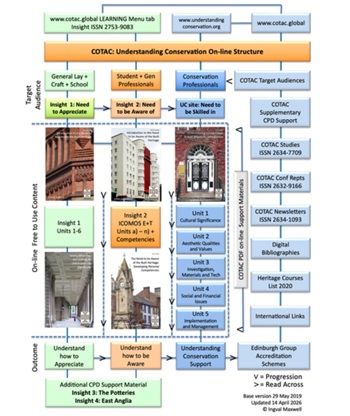
Building competence for the future of built heritage.
Building Regulations and Building Safety Act

CIOB publishes free advice for non-domestic clients.
Building Safety Newsletter from MHCLG.

An extraordinary record of steel engineering worldwide.

Households living near new pylons to save on bills.

ECA warns growth must not outpace grid capacity or skills.
The role of the client and decision making

CIOB response to built environment professions call for evidence.
Construction's sustainability reporting revolution

Tracking upfront embodied carbon with digital tools.
ECA welcomes procurement reforms

Public spending must back British jobs and skills.
Campaigning for Edinburgh: the Cockburn Association 1875-2049

The role of the civic voice in protecting character. Book review.

CIOB photography competition is open for entries.
ECA Edmundson apprentice of the year award

Finalists announced.